
You Don't Need Better Prompts. You Need Better Taste.
Updated: Jul 31
Every week, I watch another creator package a collection of prompts and present them as the missing piece to creating incredible AI images. The excitement is understandable. Prompts are easy to share, easy to sell, and easy to believe in. They make creativity feel accessible. They make great work look like something that can be copied with a few lines of text.

I have a different perspective.
The best image I've ever created did not begin with a prompt. It began with an idea.
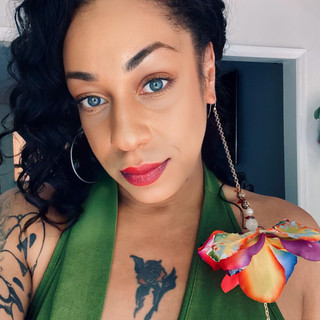
Long before I opened an AI platform, I had already decided how I wanted the photograph to feel. I knew the lighting needed to be soft enough to reveal the texture of real skin. I wanted the expression to feel calm instead of overly posed. I wanted every shadow to have purpose and every detail to feel believable. The goal was never to create an image that looked like AI.
The goal was to create an image that looked human.
That distinction changes everything.
When people see one of my portraits, they usually ask what prompt I used. Very few people ask why I chose that lighting, why I selected those colors, or why the wardrobe feels cohesive with the overall mood. Those are the decisions that actually shape the final image. The prompt simply communicates them.
Technology has made image creation faster than it has ever been. That is an incredible achievement, but speed has never been the same as creativity. Anyone can generate hundreds of images in an afternoon. Very few people can create a single image that feels intentional enough to become part of a recognizable brand.
The businesses that stand out over the next decade will not be the ones generating the most content. They will be the ones making the most thoughtful decisions. They will understand that consistency builds trust, that restraint often creates stronger design than excess, and that every visual element communicates something about the business behind it.
This is why I don't describe myself as someone who creates AI images.
I see myself as a creative director who happens to use AI.
Those are two very different identities.

A creative director studies photography, typography, storytelling, architecture, fashion, advertising, and human behavior. Inspiration comes from the world long before it comes from software. AI simply becomes another tool capable of bringing that vision to life.
Instead of asking how to write better prompts, I spend more time asking whether an image says what I want it to say. Does it communicate confidence? Does it feel premium? Would someone remember it tomorrow? Does it belong to my brand, or could it belong to anyone?
Those questions have nothing to do with artificial intelligence.
Taste is developed through observation. It grows from studying great work, paying attention to details, and learning why certain visuals leave a lasting impression while others disappear the moment you scroll past them. It cannot be downloaded, copied, or generated. It is built over time through intention and experience.
That is the part of creativity I find most exciting.
The software will continue to evolve. New platforms will appear. Better models will be released. Faster workflows will become the norm. None of those advancements will replace the value of someone who knows how to direct an idea from concept to completion.
People often assume the future belongs to the person with the best tools.
I believe it belongs to the person with the clearest vision.
Tools change.
Vision compounds.
That has always been true, and I believe it always will be.


Behind the Brand
One of my favorite compliments is hearing someone say they thought one of my AI portraits was a real photograph. It tells me they weren't thinking about software. They were responding to the emotion, the lighting, the composition, and the story. They connected with the work before they questioned how it was made.

That's the standard I want every project to meet.
I don't want people to notice the technology first.
I want them to remember the brand.
Creative Camille Founder & Creative Director SVS Branding
Comments